 Part 8
Part 10
Part 8
Part 10
Thurlow Weed, throughout Taylor's presidency, had done whatever he could to undermine Fillmore's influence, seeing him as a threat to his power over the New York Whigs. When Weed heard about Taylor's death, he became depressed, fearing that Fillmore, suddenly the most powerful man in the country, would exact revenge on him.
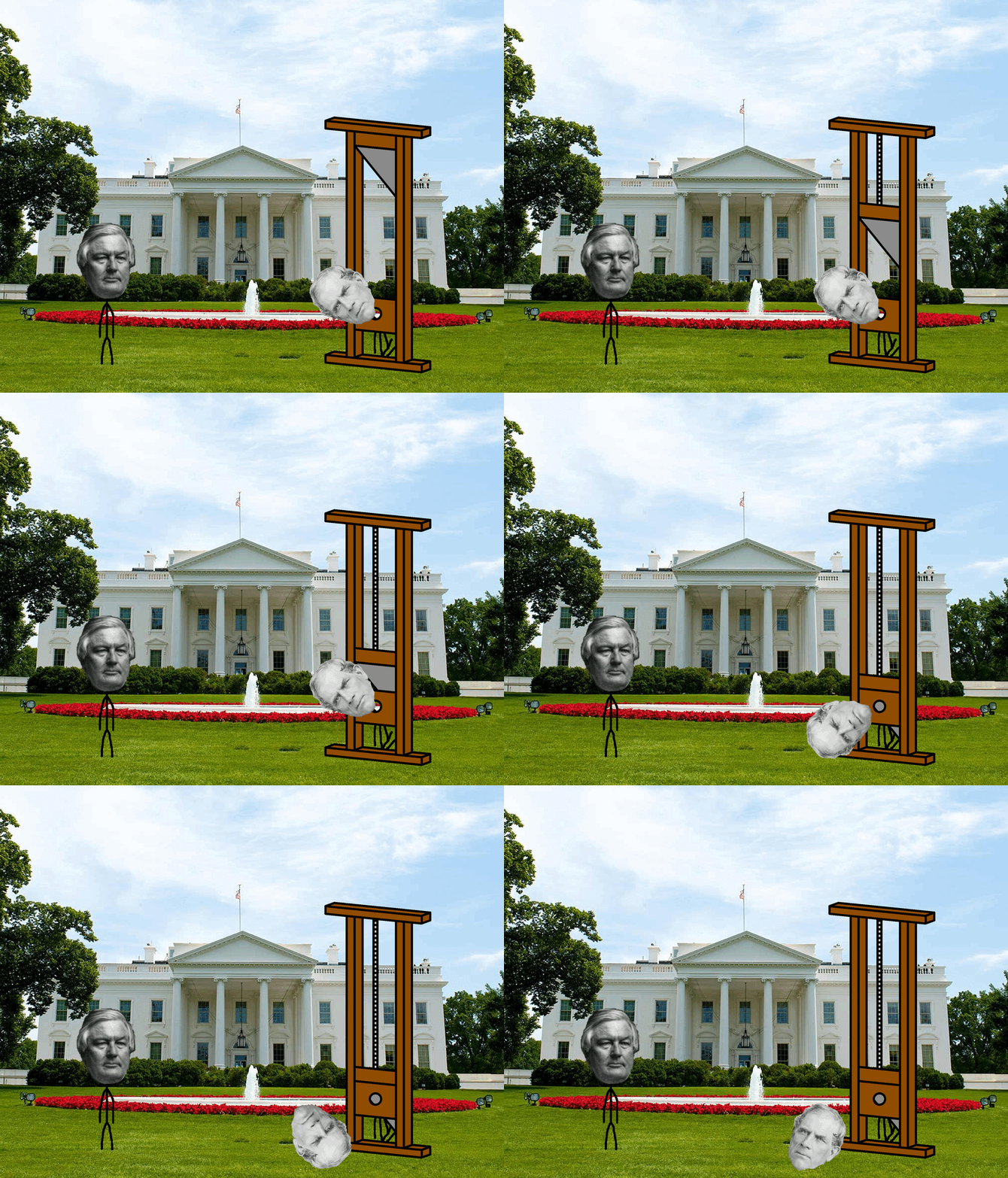
Fillmore, however, was not the kind of person to hold a grudge. He cared more about his party and his country than petty personal drama, so he forgave Weed and tried to get him on his side. Fillmore had the opportunity to get rid of all the appointments Weed had made in New York, but in the end, he only got rid of Levi Allen, the barely literate guy who was especially embarrassing.

Although Fillmore wanted Weed on his side, he and Seward didn't plan on cooperating. In fact, they were starting to lose faith in the Whig Party. Seward was too radical to ever become their nominee for president. They wanted to make the New York Whigs more radical, and if they couldn't do that, they might even start a new party altogether. Part of making the New York Whigs more radical was getting them to reject the Compromise of 1850 and embrace free soil instead. And soon, Weed had the perfect opportunity to achieve that.
In late September, the New York Whigs were having a nominating convention to decide their candidate and platform for the upcoming gubernatorial election. Weed had influence over most of the delegates, so he told them to oppose the compromise. Meanwhile, Fillmore supported party unity, and he hoped for a moderate ticket that wouldn't alienate anyone. He even told one of the delegates to try really hard to get along with Weed and Seward, hoping for reconciliation.
At first, things seemed to be going well. Weed and Seward exercised restraint, and the committee introduced a resolution saying that the New York Whigs were satisfied with the creation of the New Mexico and Utah territories because they expected that both states would choose to outlaw slavery. But then a delegate attempted to change the resolution to add that if New Mexico or Utah chose to allow slavery, congress should intervene and stop them. He also added another resolution that thanked Seward for doing a good job at representing the New York Whigs in the Senate. Both of these resolutions were a massive problem for Fillmore. The first one was basically a rejection of the compromise, and the second one was supporting one of the most radical Whigs, and one of Fillmore's greatest rivals.
Fillmore's supporters voted against these resolutions, but Weed and Seward had a majority of the support. Both resolutions passed 70 to 40. Fillmore's supporters were so angry that they left the convention in protest. This faction of the party was known as the Silver Greys because they were old and had grey hair. Once the Silver Greys stormed out of the convention, they organized a new convention that would be held in October. It was possible that at this new convention, they would form a new party, which was exactly what Fillmore opposed.
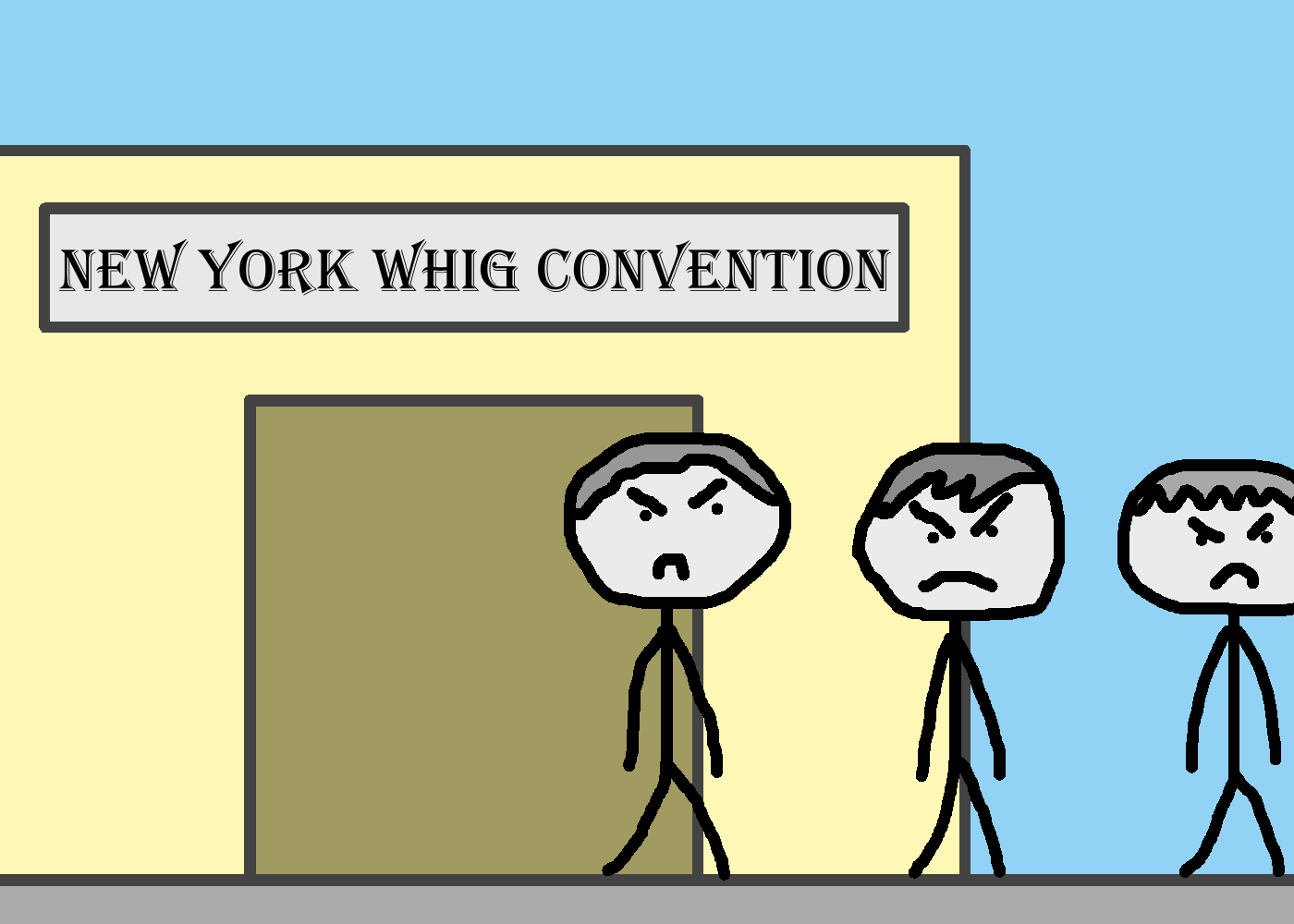
Fillmore did what he could to save the party from fracturing. At the first convention, the Whigs had nominated Washington Hunt for governor. Fillmore trusted Hunt, and he made sure the Silver Greys also nominated him for governor at their convention. And fortunately, they didn't end up forming a new party. Fillmore breathed a sigh of relief.
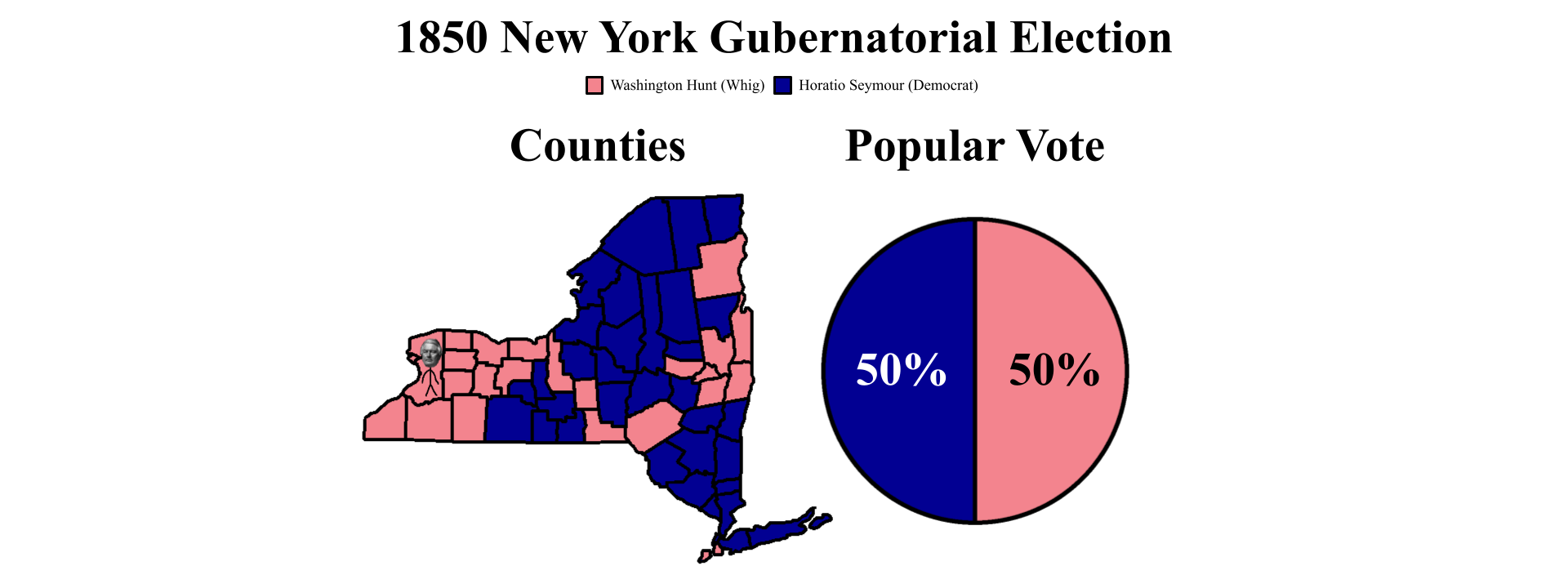
In the end, Hunt won the gubernatorial election by just a few hundred votes. Many Whig merchants voted against him, fearing that he was too associated with Seward. This was seen as a blow to Seward, and it seemed likely that Weed and Seward would quiet down about slavery. With his party held together, Fillmore was satisfied.
Soon, Fillmore faced some pressure to make peace with Weed. Weed's main concern with Fillmore at this point was that he would get more of his friends fired. He was actually willing to make peace if Fillmore just removed two men from office who opposed him. To attempt to please Fillmore, he even started praising him in his newspaper and offered to sell his newspaper and go to Europe, staying out of Fillmore's way. But Fillmore had learned his lesson and knew appeasing Weed would be a mistake. He refused to fire the people Weed didn't like, but trying not to be unfair, he also refused to fire any more of Weed's appointments.
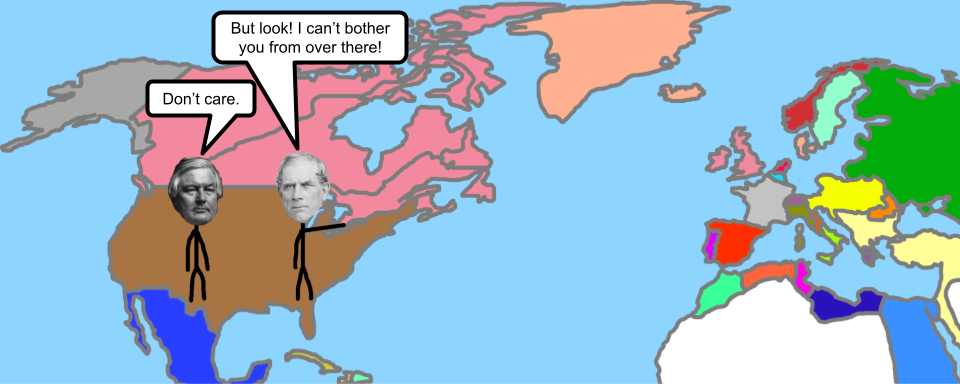
Weed realized he'd lost, not getting what he wanted out of Fillmore and even embarrassing himself by praising him. Fillmore capitalized on this, using Weed's positive coverage to argue that the New York Whigs were officially in full support of the compromise. Unsurprisingly, Weed went right back to trying to undermine Fillmore by any means necessary. When Fillmore saw this, he finally got back at Weed by removing many of his appointments.
 Part 8
Part 10
Part 8
Part 10